
Garden hose connectors: complete guide to types, materials, and uses
June 23, 2026
When your garden hose starts leaking, the problem is not always the hose itself.
Very often, the trouble begins at the connection point: the coupling.
Garden hose connectors, also called garden hose fittings or hose couplings, are the parts that keep your watering setup tight, steady, and usable. They connect your hose to the faucet, nozzle, sprinkler, reel, or another hose. They help maintain water flow. They prevent leaks.
A good hose is only as reliable as its connection points. Let’s break down what garden hose connectors do, which types matter most and what materials to look for.
What are garden hose connectors?
Garden hose connectors are the fittings that allow your hose to connect securely to another watering component.
That could be:
- an outdoor faucet or spigot;
- a spray nozzle;
- a sprinkler;
- a hose reel;
- a second garden hose.
Male and female hose connectors
Most garden hose connections use two matching ends.
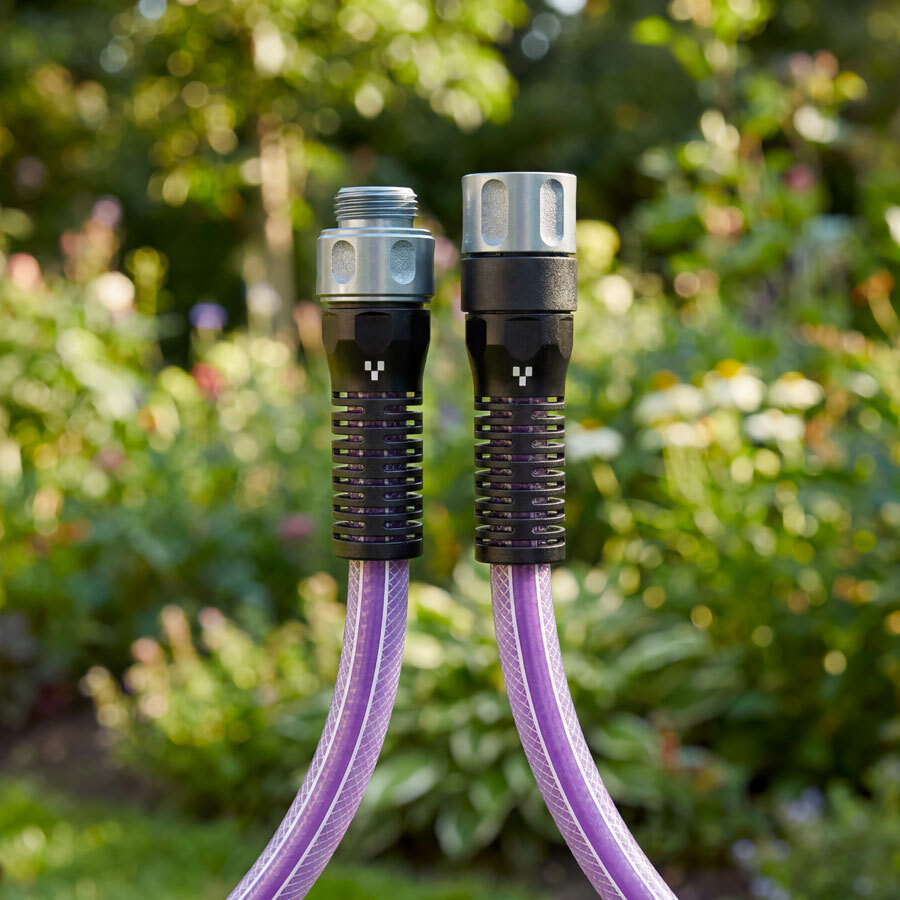
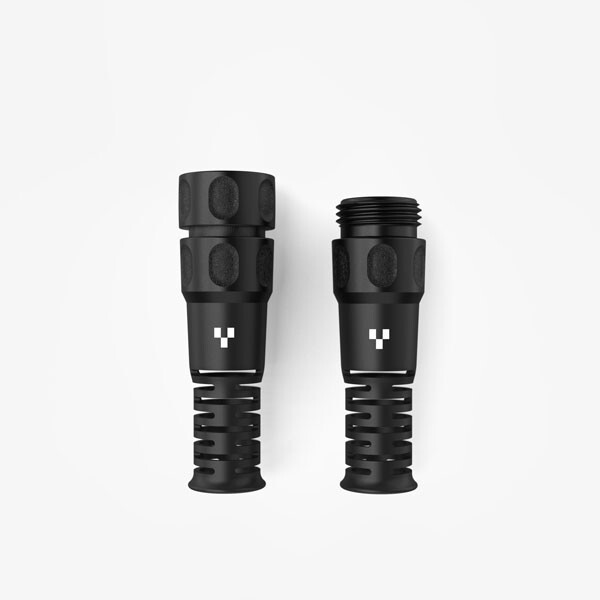
A male hose connector has external threads. You can see the ridges on the outside of the fitting.
A female hose connector has internal threads. The threads are inside the fitting, and this end usually twists onto a faucet, nozzle, or male connector.
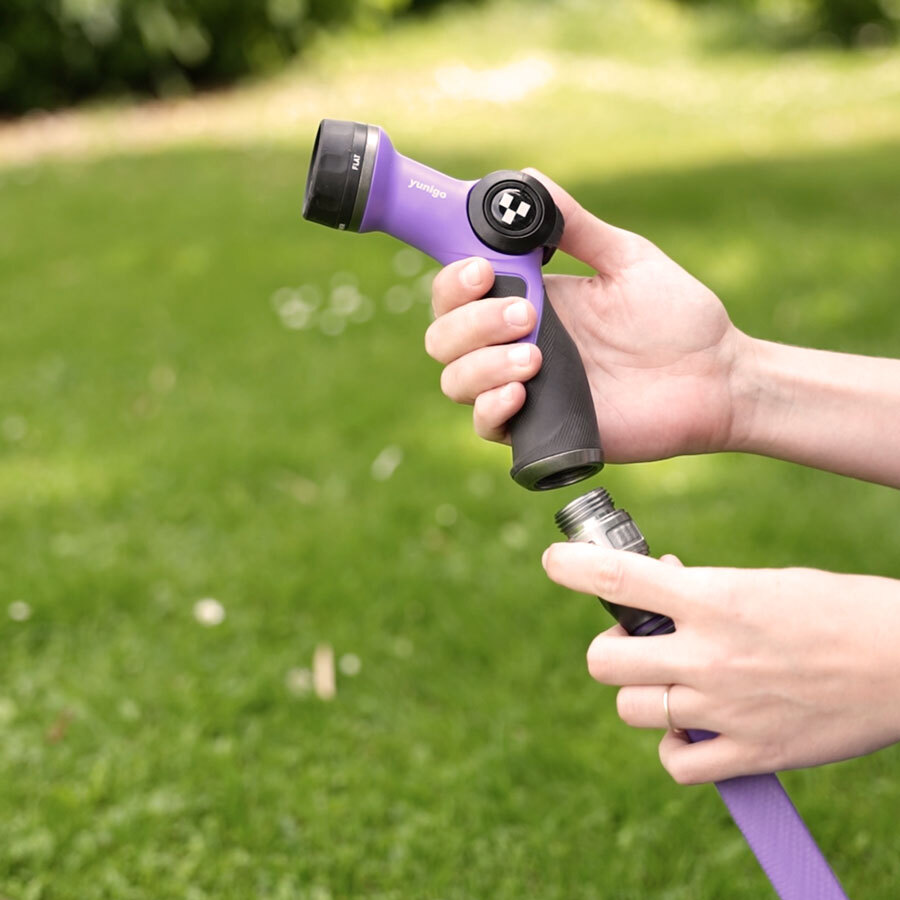
In a typical hose setup, the female end connects to the faucet, while the male end connects to a nozzle, sprinkler, or another hose accessory.
Why hose connectors matter more than you think
The connector is a small part doing a hard job.
It gets twisted, stepped on, dropped, dragged, pressurized, and left outside in heat, cold, rain, and UV exposure. It takes the stress every time you pull the hose around a corner or tug it across a driveway. It is also where leaks most often show up first.
A quality hose connector helps:
- reduce water leaks at the faucet or nozzle;
- maintain steady water pressure;
- keep nozzles, sprinklers, and reels securely attached;
- protect the hose end from stress and splitting;
- make repair possible when only the end is damaged.
That last point matters.
Repairability is an important part of a product’s life cycle, and at Yunigo, we pay close attention to it.
A well-made hose should not become disposable just because one replaceable part has worn out. If the hose body is still strong, flexible, and performing well, a garden hose repair connector can give it a second life.
Garden hose connector materials: plastic, brass, or aluminum?
Material matters because the connector lives in one of the toughest spots on the hose.
It is exposed to pressure, water, impact, twisting, temperature changes, and sometimes rough storage: the right material can make the difference between a connection that feels solid and one that becomes a recurring headache.
Plastic garden hose fittings
Plastic fittings are common, lightweight, and affordable.
They work for light use and are easy to find in most hardware stores. For a basic backyard setup, they may be enough.
But plastic fittings can crack, wear, or deform more easily under repeated stress. They may not be ideal for heavy use, high-pressure watering, or a premium hose that you expect to keep for years.
Brass garden hose fittings
Brass fittings have been used in garden products for a long time. They are durable, familiar, and widely available.
They can be a strong choice, especially for traditional hoses. However, brass can feel heavier, and it is not always the best match for every hose design or product style.
A connector should not only be strong. It should feel balanced with the hose it belongs to.
Aluminum garden hose fittings
Aluminum garden hose fittings offer a useful balance of strength and lightness.
They can feel sturdy without making the hose end bulky. When properly designed, aluminum fittings can also support corrosion resistance, crush resistance, and a more refined handling experience.
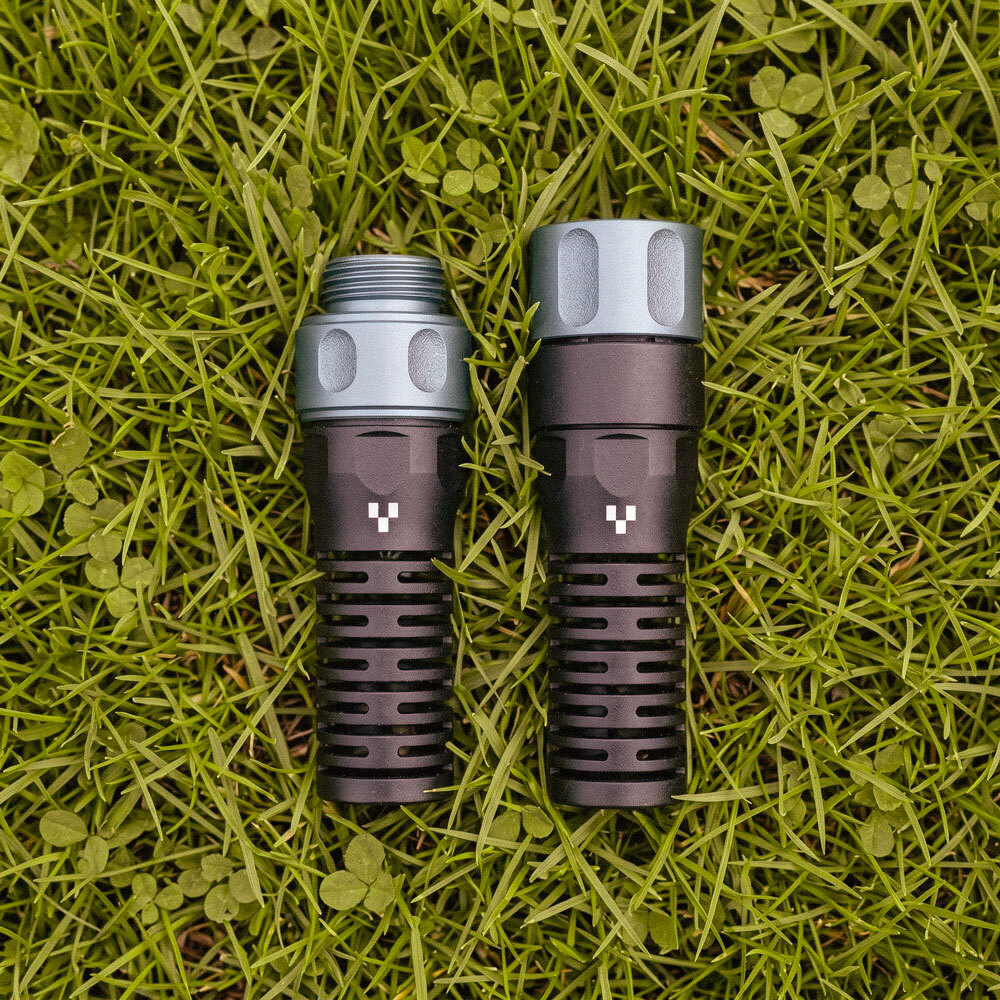
Yunigo hose couplings use anodized aluminum, chosen for durability, performance, and a clean premium finish.
How to choose garden hose connectors
Choosing the right connector is less about memorizing every fitting type and more about asking the right questions.
- Check compatibility
Many fittings look similar from a distance, but compatibility depends on diameter, thread type, hose structure, and how the connector attaches.
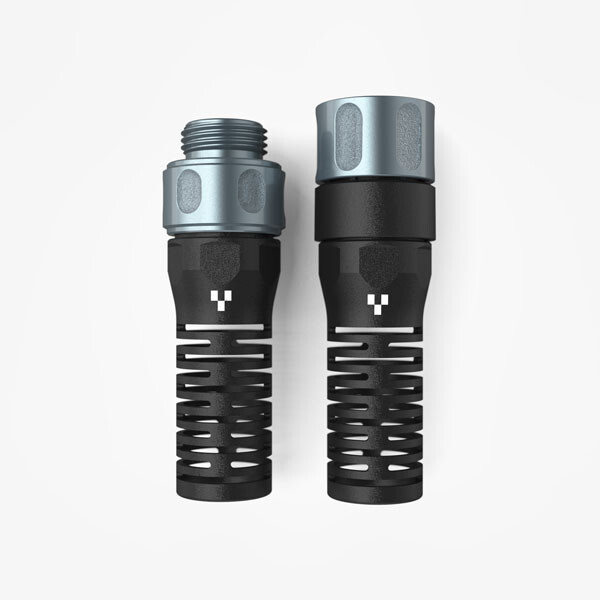
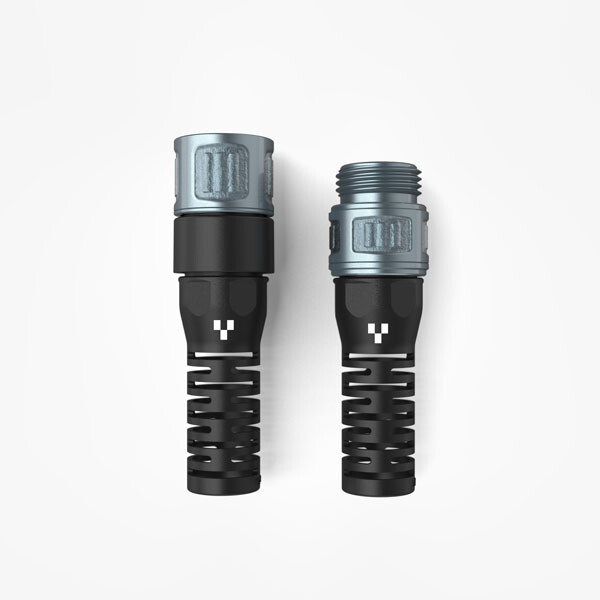
For Yunigo hoses, the safest choice is to use the coupling set designed for your specific model: Yunigo Essence, Yunigo Serenity, Yunigo Getaway or Yunigo Relax.
- Look for durability
Think about how the hose is actually used.
Does it get dragged across pavers? Stored outside? Pulled around raised beds? Used by multiple people? Connected and disconnected often?
Durable, corrosion-resistant hose fittings help reduce the small failures that become big annoyances in daily use.
- Think about repairability
Reusable hose couplings are a practical upgrade.
If the end gets damaged but the hose body is still sound, a removable and reusable coupling can help you repair the hose instead of replacing it.
- Use the right tools
Some replacement couplings can be installed with common tools, but the exact process depends on the hose and fitting design.
Before working on any hose connector:
- turn off the water;
- disconnect the hose;
- release any remaining pressure;
- inspect the hose end and fitting;
- follow the product-specific instructions.
When should you replace a hose coupling?
You do not always need a new hose.
Sometimes you just need a new end.
Consider replacing the hose coupling if you notice:
- water leaking from the hose end;
- a hose connector leaking at the faucet;
- bent or crushed metal;
- cracked plastic;
- worn or stripped threads;
- corrosion around the fitting;
- a loose connection with the nozzle or spigot;
- reduced water flow;
- the hose body still works, but the end is damaged.
Replacing the coupling can be smarter than replacing the entire hose, especially when the hose body still feels strong, flexible, and reliable.
Run your hand along the hose. If the material still feels resilient, the wall is not split, and the leak is concentrated at the connection point, the coupling is the first place to look.
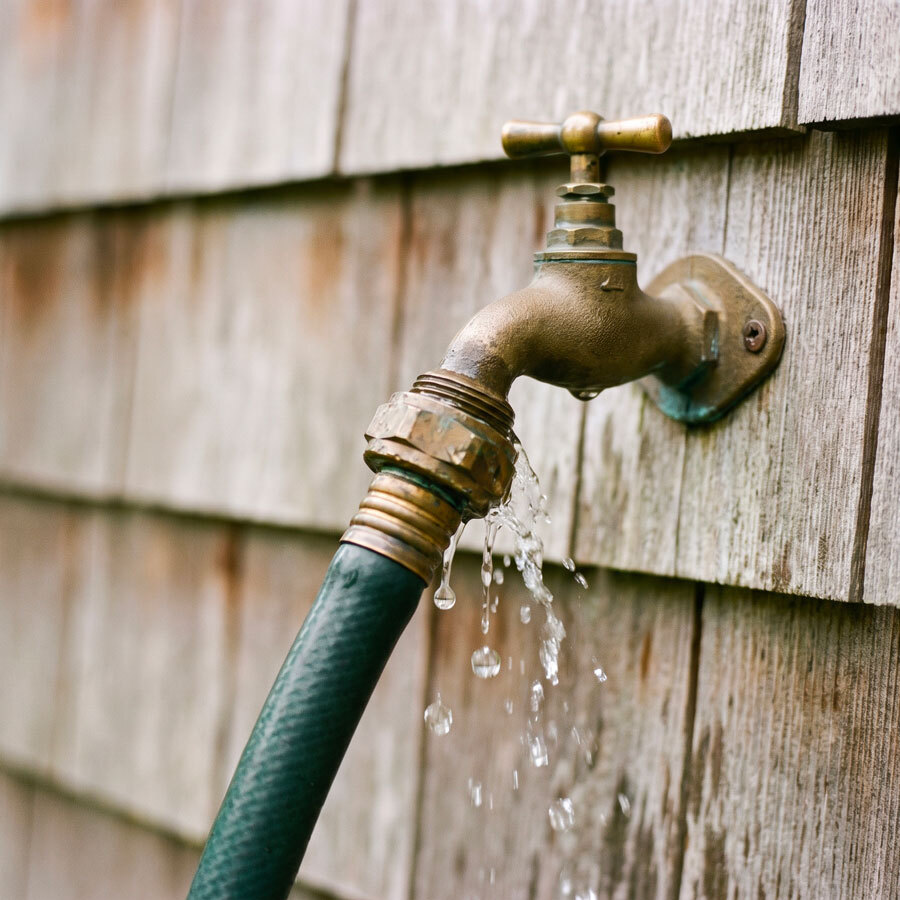
Can you replace garden hose connectors yourself?
Yes, in many cases you can replace garden hose connectors yourself—provided the hose and connector are designed for that kind of repair.
Yunigo couplings are designed to be removable and reusable, using hex key. That means a damaged end does not automatically turn into a full hose replacement.
Before attempting any hose end replacement, always shut off the water and release pressure from the hose. For expandable hoses, give the hose time to contract fully before handling the connector.
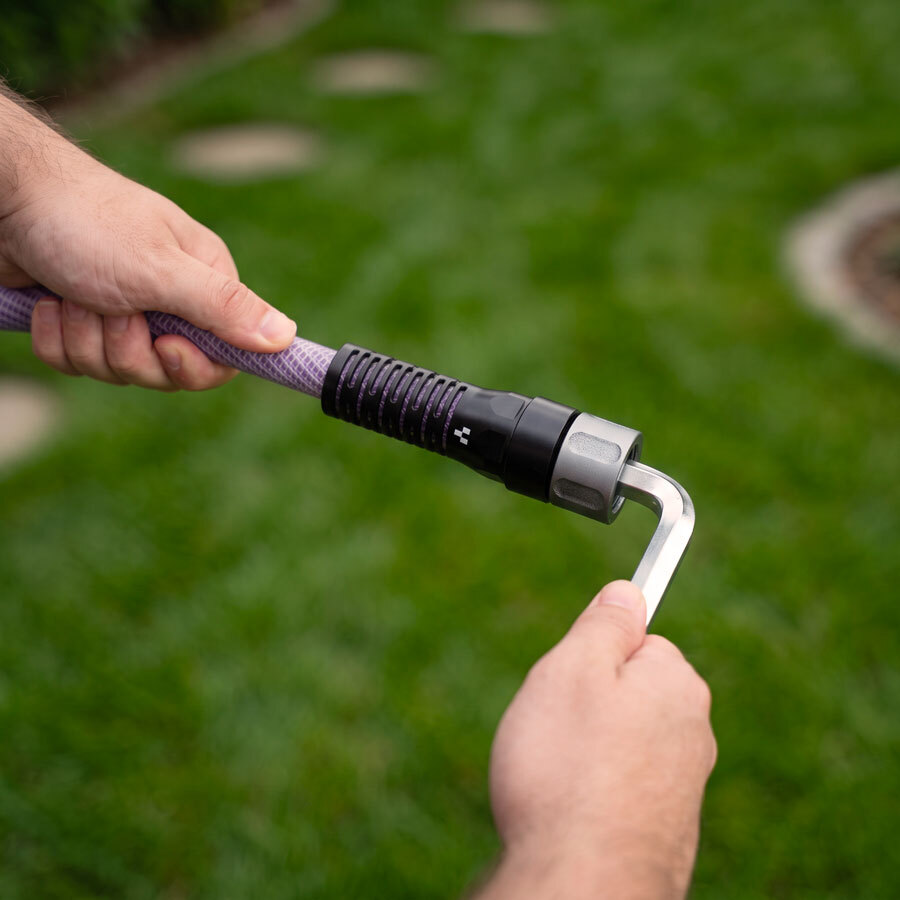
Repair instead of replace: a smarter garden habit
A damaged hose end can feel like the end of the story.
It usually is not.
If the leak is at the coupling, and the hose body still has life in it, a garden hose repair fitting may be the most practical solution. You remove the weak point, install the correct replacement, and keep working.
Yunigo garden hose accessories are built around that idea. Performance should last. And when one part needs attention, the answer should not always be “buy the whole thing again.”
The small part that keeps the whole hose honest
A garden hose connector is not the most dramatic tool in the shed, but when it works, everything else works better.
Give your hose a longer life. Choose the coupling set designed for your Yunigo hose: Yunigo Essence, Yunigo Serenity, Yunigo Getaway or Yunigo Relax.
 |
 |
 |
||
| Couplings for Yunigo Essence | Couplings for Yunigo Serenity & Getaway | Couplings for Yunigo Relax |